1. What Is “LARVA – BREAKDANCING”?
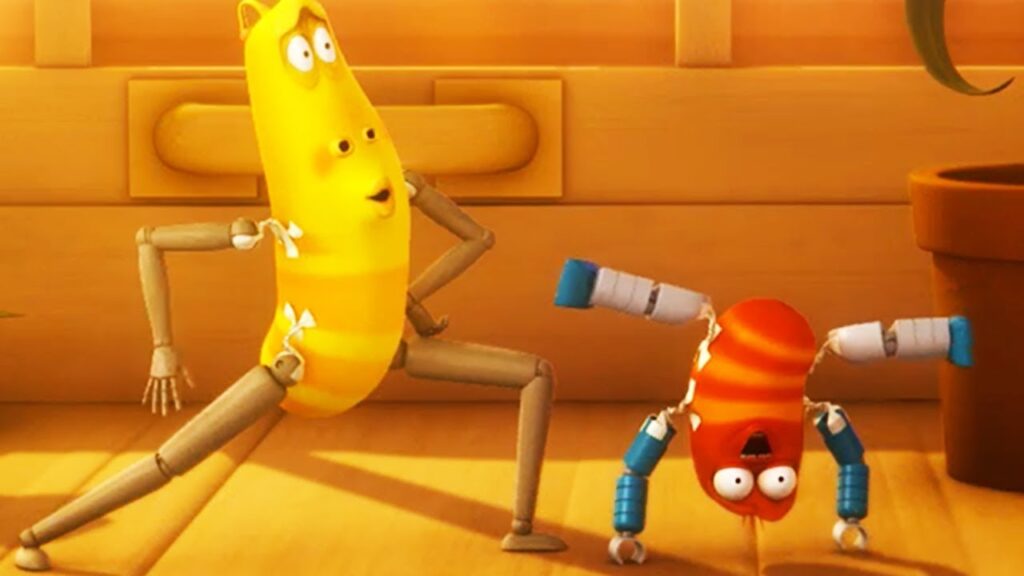
“LARVA – BREAKDANCING” is a short animation from the Larva series by TUBA Entertainment. In this particular cartoon, the two main larva characters — Red and Yellow — realize that they don’t have arms or legs, which of course makes breakdancing quite a challenge. To pull off their moves, they invent a kind of DIY solution. This kind of physical comedy is classic Larva style: clever, absurd, and visually funny.
2. Characters and Their Dynamic
- Red – The red larva is hot-tempered, showy, and always trying to prove himself. In “Breakdancing,” his ambition to dance is both hilarious and ambitious, given his body’s limitations. YouTube+1
- Yellow – Yellow is more dim-witted, easygoing, and tends to follow Red’s lead. But in their antics, Yellow’s simpler nature often leads to unexpected and funny outcomes. YouTube
- These two don’t speak in traditional dialogue — the Larva series is mostly non-verbal, relying on expressive sounds, body movement, and slapstick. Wikipedia+1
3. Why This Episode Works Well
- Physical Comedy: Because they have no limbs, Red and Yellow using DIY methods for breakdancing is inherently funny. The humor comes from the mismatch between their ambition (to dance) and their physical form (they’re larvae).
- Inventiveness: Their “DIY fix” is a creative twist — rather than giving them arms or legs, they solve it in a funny, resourceful way. This shows how Larva episodes often combine simple premises with clever physical solutions.
- Silent Humor: Without speaking lines, the animation leans heavily on visual gags. Their facial expressions, body language, and the timing of their actions all contribute to strong comedic effect.
- Universal Appeal: Because there’s no spoken dialogue, the episode is very accessible. People of any language or age can enjoy the slapstick, the dance, and the physical humor.
4. The Animation Style
- 3D CGI: Larva is made with 3D CGI animation. This gives the larvae a smooth, glossy look, which makes their movements fun to watch—especially when they’re dancing or doing something absurd. Wikipedia
- Color and Design: Red and Yellow are very distinct in color, which helps viewers quickly tell them apart. The bright palette and exaggerated shapes make their DIY breakdancing gear visually interesting.
- Sound Design: Though they don’t speak, there’s plenty of sound — grunts, squeaks, thuds — that underscore every movement. The sound effects are essential to making the physical comedy land.
5. Themes and Messages
- Adaptability and Ingenuity: Even without limbs, Red and Yellow don’t give up on dancing. Their willingness to build a solution reflects a playful perseverance.
- Friendship: As always in Larva, there’s a strong dynamic between Red and Yellow: they chase similar goals, get into trouble together, and make each other laugh. Their friendship is central to the humor.
- Silliness vs. Realism: The episode doesn’t try to be realistic — it’s rooted in absurdity. That’s part of Larva’s charm: it embraces its own silliness in a not-too-serious way.
6. How It Fits Within the Larva Series
According to the Larva series page, the show was created by TUBA Entertainment, is originally South Korean, and features short episodes (2–3 minutes for many, though some are longer). Wikipedia
- The “Breakdancing” video is part of the official Larva YouTube channel (Larva TUBA), which has many other episodes. YouTube
- There are other dance-oriented episodes too. For example, the Larva wiki mentions a “Dance battle” episode (Season 3, Episode 44) where breakdancing and beatboxing happen. Larva Animation Wiki
- Another related episode is “Hip Hop,” where Red and Yellow watch or perform dance moves — the Larva fandom explains this shows Red breaking out his moves. Larva Animation Wiki
7. Cultural and Global Reach
- Larva is originally a South Korean animated series. Wikipedia
- Though it’s made in Korea, its episodes don’t rely on spoken language, which has helped it become popular internationally. Viewers around the world enjoy it because the humor is visual and universal.
- The Larva YouTube channel (Larva TUBA) is very popular. For example, this “Breakdancing” video has over 53 million views. YouTube
- Besides YouTube, Larva has been available on other platforms like Netflix and Prime Video. Prime Video+1
8. Educational and Entertainment Value
- While Larva is primarily for entertainment, it can be a gentle way to introduce physical comedy to younger audiences.
- Because it’s non-verbal, it also helps with visual literacy — kids (and adults) learn to understand humor and emotion through motion, expression, and timing, not just words.
- The DIY aspect (them inventing something to dance) can spark creativity — viewers might think: “What would I invent if I were a larva?”
9. My Overall Impression
“LARVA – BREAKDANCING” is a brilliantly simple but funny short. It takes a quirky idea — larvae who want to dance — and makes it work through clever animation and expressive humor. Red and Yellow’s personalities shine through without any spoken lines, and their friendship and inventiveness make the episode feel warm and playful. The animation style is polished, the sound design is well done, and the pacing is tight (since it’s a short). For anyone who enjoys slapstick, creative dance, or just cute and silly cartoons, this is a highly entertaining piece.
10. Why Someone Should Watch It
- If you like funny, silent cartoons: This is a perfect pick — no talking required, just funny actions.
- If you enjoy dance or physical comedy: The breakdancing is inventive and hilarious.
- If you want a quick laugh: Because the episode is short, it’s great when you just want something fun but don’t have much time.
- If you’re curious about Larva: This is a very typical Larva episode in terms of humor and style, so it’s a good introduction to the series.